
Areté: The Pursuit of Being the Best Version of the Thing
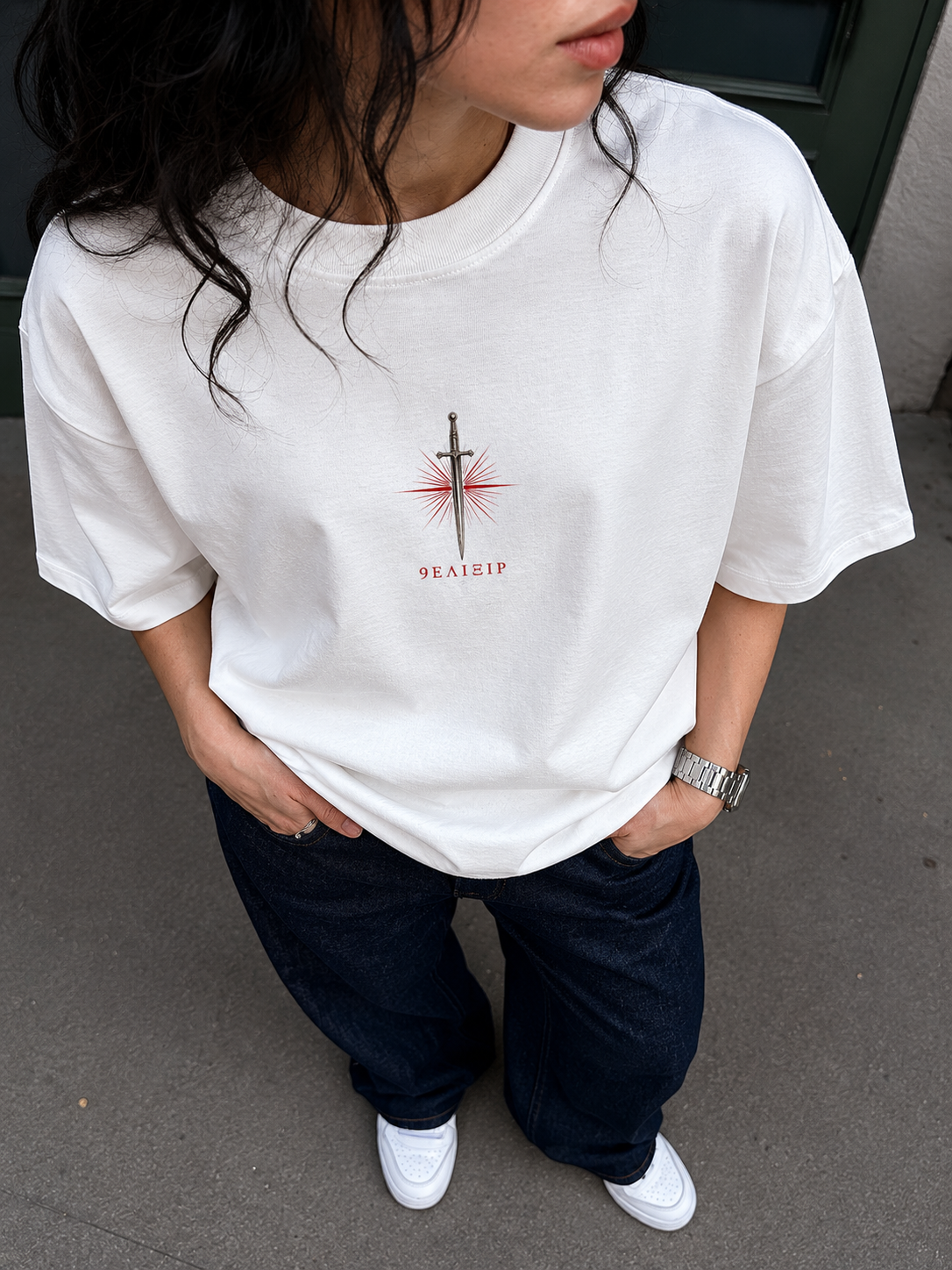
ΑΡΕΤΗ. The Greeks had a single word for the thing most of us spend a lifetime circling: areté, excellence — not as a trophy, but as a direction.
Excellence as function
Originally areté meant the excellence of anything at being what it is. A knife has areté when it cuts cleanly; a horse, when it runs. The word is bound to telos, a thing’s purpose — an object reaches its areté by doing fully what only it can do. When the Greeks turned the idea on themselves, it became the most demanding question a person can ask: what is the best version of me, and am I living up to it?
Aristotle built an entire ethics on it. Excellence, he argued, is not a single act but a habit — a settled disposition built from the residue of what you repeatedly do. You do not become excellent in a flash of inspiration; you become it on an ordinary Tuesday, by choosing the harder, truer thing one more time than you wanted to. Areté is less a summit than a slope you agree to keep climbing.
An artifact, not an illustration
We printed Areté as a sepia portrait set like a clipping from an old broadsheet — grain, faux fold-lines, the feel of something pulled from an archive rather than drawn yesterday. That was deliberate. Excellence is not new; it is the oldest project there is, handed down and re-attempted by every generation that took itself seriously. The figure looks like an artifact because the idea is one.
On the body the print lands high, the way a reminder should — close to the eyes of anyone you face, and close to your own when you catch it in a window. Not a boast. A standard.
The slope, not the summit
The trap inside areté is thinking it is a place you arrive. It is not. It is the agreement to keep becoming the fullest version of the thing you are — on the days it is glorious and the far more numerous days it is just work. Wear it as the promise, not the prize.