
Memento Mori: Remember You Must Die (and Therefore Live)
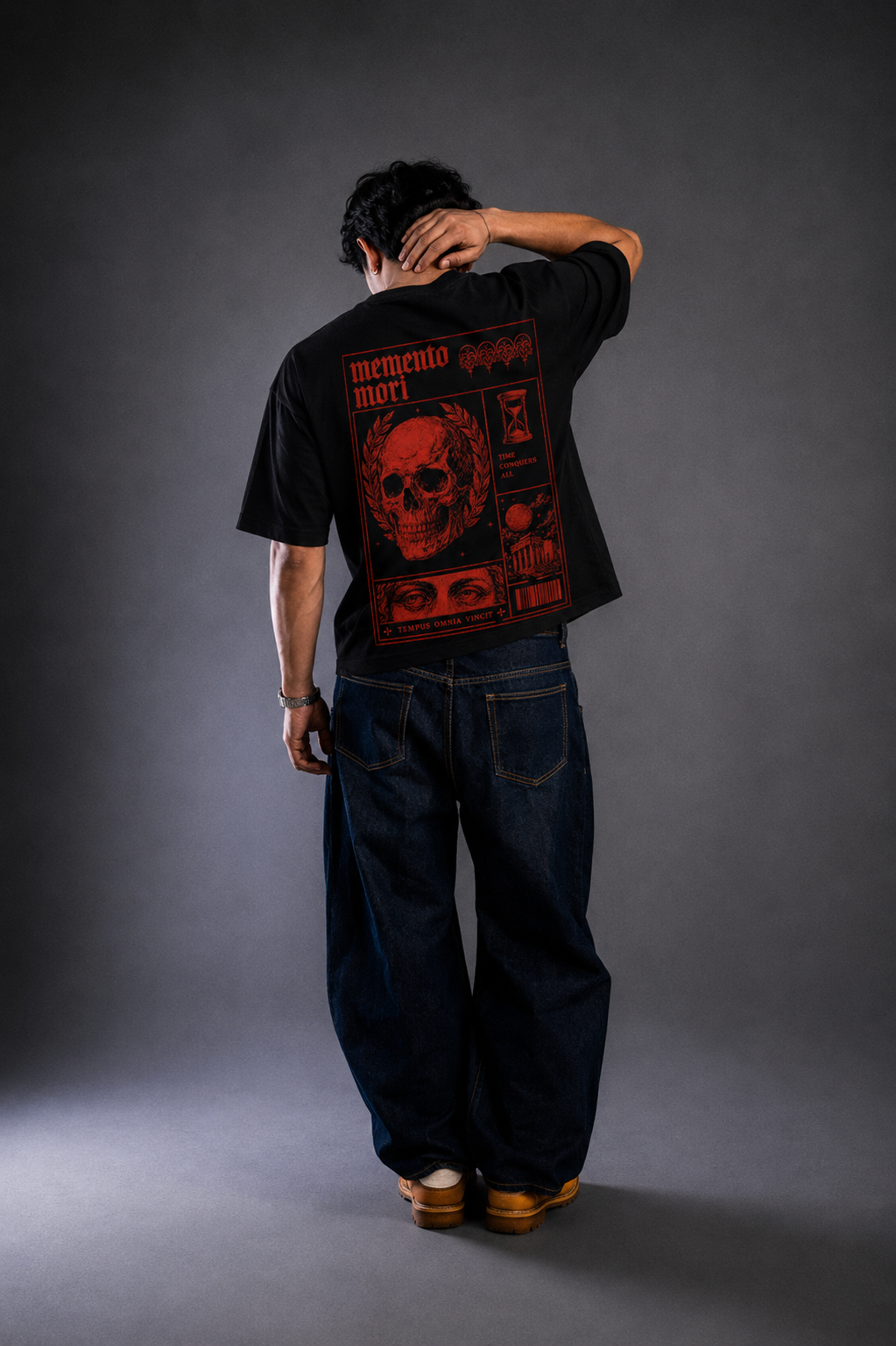
Two Latin words, carved over church doorways and tucked into the corners of still-life paintings for two thousand years: memento mori. Remember you must die. To a modern ear it sounds like a threat, or a teenager’s wallpaper. To the people who lived by it, it was the opposite — the single most practical instruction they owned.
The whisper at the triumph
Roman tradition held that when a victorious general rode through the city in his triumph — crowned, cheered, briefly treated as a god — a slave stood behind him in the chariot with one task: to lean in and murmur that he was still only a man, and that he would die. At the exact height of glory, a reminder of the end. The point was not to spoil the moment; it was to keep the man inside the victory human.
A tool, not a mood
The Stoics turned that reminder into a daily practice. Marcus Aurelius, writing privately to himself as emperor, returns to it constantly: you could leave life right now — let that decide what you do and say. Seneca argued that we are wrong to fear death as something ahead of us, because we are dying the whole time, every spent day already gone. Held correctly, memento mori is not morbid at all. It is a knife that cuts away the trivial: remember the end, and the question of what actually matters today answers itself.
This is why the skull kept appearing in art — the vanitas paintings, the carved tombs, the ring engraved with a death’s-head. Not a celebration of death, but a correction against sleepwalking. The same two words traveled through the monasteries and into the ars moriendi, the medieval “art of dying well,” which insisted a life is only as good as its awareness of its own edge.
Red on black
We rendered it as a broadsheet — a red skull set like the front page of a newspaper that only prints one story. On black it sits almost neon in low light and reads like a warning sign in daylight, which is exactly the register the phrase has always worked in: quiet, then suddenly impossible to ignore. The weight of the fabric gives it a faint sense of armour, because that is what the idea is. You wear the reminder so the day cannot lie to you.
Its twin is memento vivere — remember to live. You cannot really hear the second without the first.